The Healing Power of Tuina: Ancient Wisdom in Modern Bodywork
Tuina, a cornerstone of Traditional Chinese Medicine for over two millennia, represents far more than a simple massage; it is a sophisticated system of medical bodywork designed to harmonize the body’s vital energy. Unlike Western relaxation techniques that primarily target muscle tension, Tuina operates on the principle that physical ailments arise from imbalances or blockages in “Qi”—the life force flowing through meridians. By employing a rigorous combination of rhythmic compression, oscillation, and stretching, practitioners seek to restore equilibrium between Yin and Yang, effectively treating the person as a holistic entity rather than a collection of isolated symptoms.
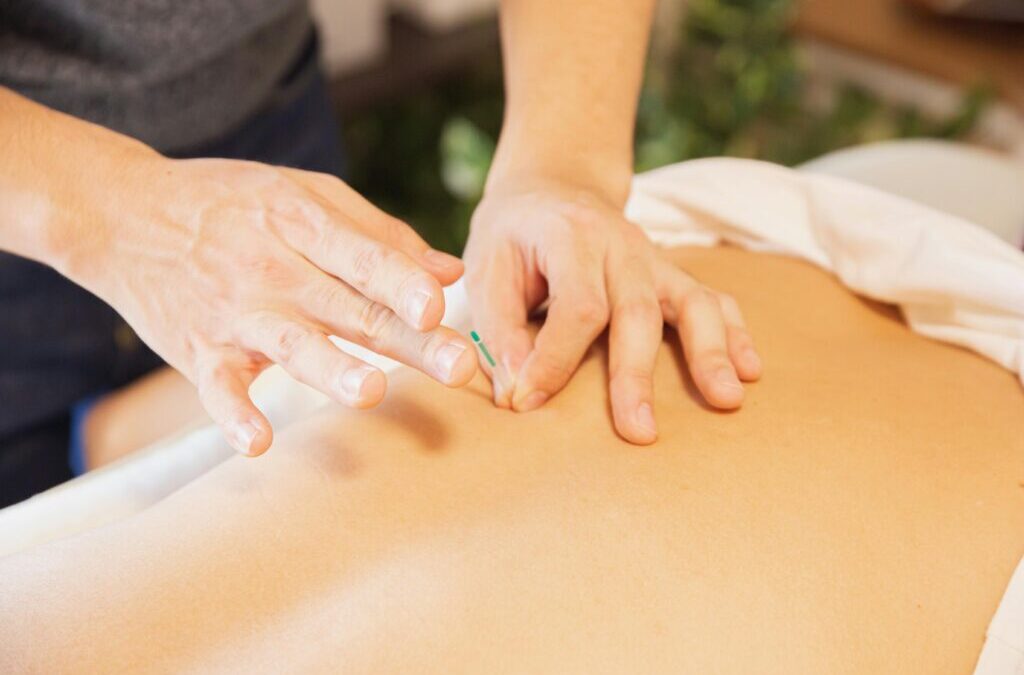
The technical brilliance of Tuina lies in its diverse manual repertoire. The name itself, translated as “push” (Tui) and “grasp” (Na), barely scratches the surface of the myriad techniques used. Practitioners utilize their palms, knuckles, and elbows to perform “Gun Fa” or rolling movements, which penetrate deep into the soft tissue to break down adhesions. This is often complemented by “An Fa” or deep pressing on specific acupoints, which functions similarly to acupuncture but without the needles. The result is a highly vigorous treatment that may feel intense in the moment but yields profound long-term relief for chronic musculoskeletal conditions. From frozen shoulders and sciatica to chronic migraines, Tuina has gained global recognition for its clinical efficacy.
Beyond the physical manipulation of muscles and joints, Tuina serves as a powerful regulator of the internal organs. Because the meridian system connects the surface of the body to internal systems, a skilled practitioner can influence digestive arkmassagespa.net health, respiratory function, and even emotional stability through external touch. This makes it an invaluable tool for stress management in our high-speed modern world. By stimulating the nervous system and improving blood circulation, the practice triggers the body’s innate healing mechanisms, lowering cortisol levels while boosting the immune response.
One of the most practical aspects of Tuina is its accessibility. Traditionally performed with the patient fully clothed in loose attire, it removes the barriers often associated with clinical or spa-based massage. It is a direct, honest form of therapy that requires only the expertise of the practitioner and the receptivity of the patient. While the sensations during a session can range from deep pressure to a therapeutic ache, the post-treatment “release” is often described as a feeling of lightness and renewed vitality. As modern healthcare moves toward integrative models, Tuina stands out as a time-tested modality that bridges the gap between ancient philosophy and contemporary physical therapy. It remains a testament to the idea that the human hand, guided by intentionality and tradition, is one of the most potent tools for healing ever devised.